What I Love About Task Based Learning
What I Love About Task Based Learning
I have been an English teacher for a really long time. I loved it from day one! What I really love is watching learners engage, improve, and enjoy the process of learning. I really believe that learning a language is a blast. I don’t like memorizing vocabulary lists, translating phrases, and doing grammar drills. No one likes that, do they? Learning is what I love. There is nothing like having a conversation in another language and actually understanding the conversation. Speaking and actually being understood. That’s fun.
I teach at a private high school in Fukushima. I have to admit, watching the students doing grammar exercises, memorizing and translating phrases they will never use in the real world, and getting low scores on their tests was getting me down. I could see it was getting them down, too. Who wants to spend six years of their lives studying something and at the end of that not be able to use it? That’s frustrating.
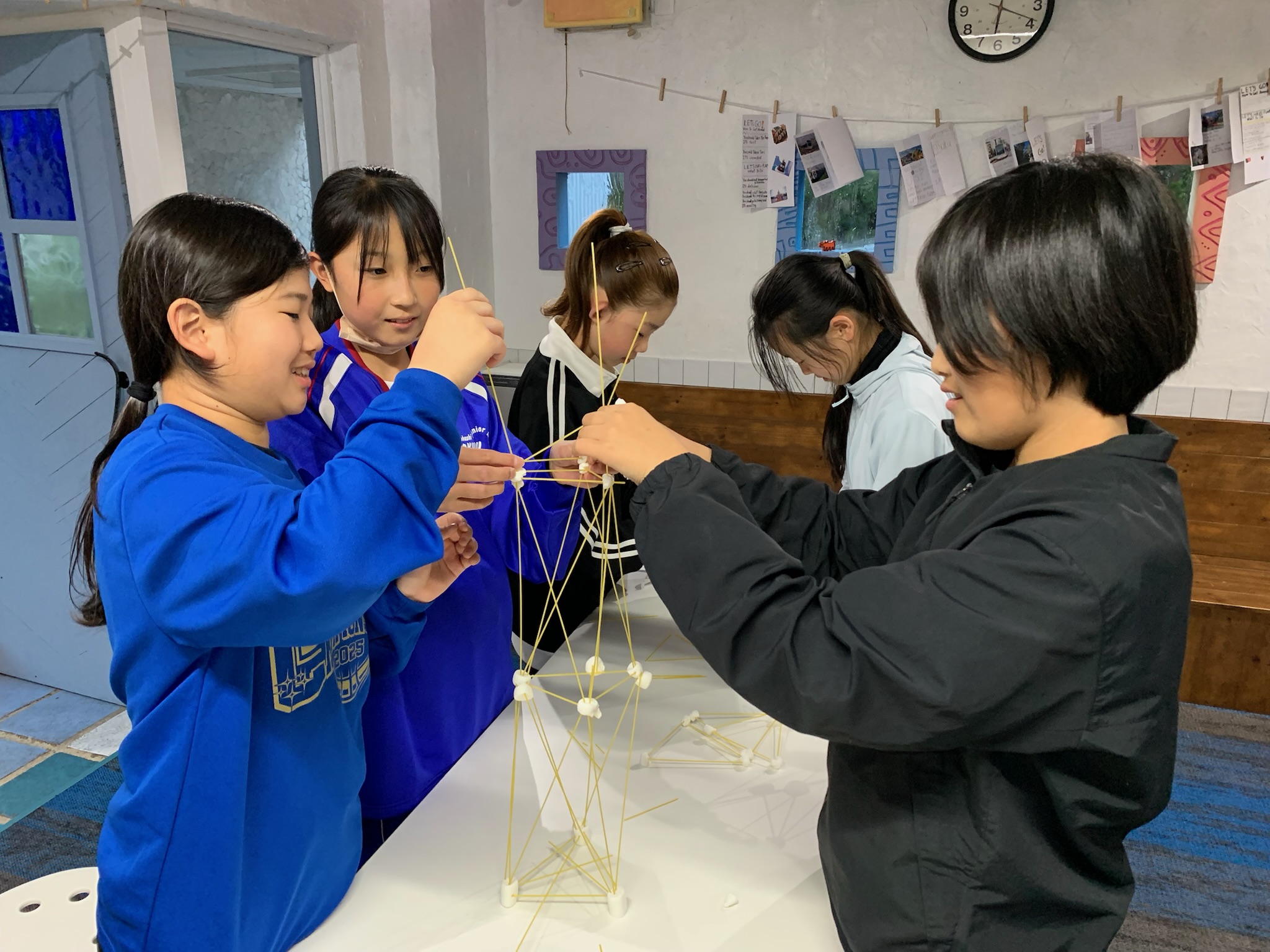
For the past four years, I have been really focusing on a learning method called Task-Based Learning (TBL). It de-emphasizes grammar focus and emphasizes using language to really do things: ordering food, describing places, giving directions, or talking about what you did on the weekend. Really anything. I love to learn by doing, not studying! I love it so much that I have been writing books with simple tasks in them for about three years now, up to over 20 at the moment. It has sparked a mid-career fire in me, and I really want to share it with you. Why do I love TBL so much, you ask?
Here are a few of the reasons why.
These principles—some backed by leading language acquisition research and others just from my own classroom experience—show why tasks change everything.
1. It is meaning-based: A task is always based on messages and meaning. If the focus is on using a grammatical item correctly, it is simply not a communicative task.
2. It is curiosity-based: A task has a gap or some information that needs to be gathered. You have to find out what someone else knows.
3. It is learner-centered: A task relies on the language resources of the learner. Students are not told what language they need to complete the tasks. They have to use the language they already have. It’s not exactly sink or swim; the teacher can help. It allows the students to make mistakes and figure out what works. One of my favorite things about TBL is that I don’t teach. I support and communicate with the students.
4. It is goal-oriented: Every task must have a communicative outcome. You understood how to get to the hospital. You ordered the food you wanted. You understood why your partner loves Star Wars. You thwarted the onslaught of zombies! I have noticed that students will not stop until they have finished doing what the task asks them to do.
5. It’s motivational: Completing the task really gets students excited. You can see that ‘I did it’ look on their faces. Then they come to class with a “What are we going to do?” attitude rather than a “What are you going to teach us?” attitude. It makes class management almost a non-issue.
6. It’s rebellious: I’m a punk rocker at heart. It’s rebellious to say, “No, we are not going to conjugate verbs today. We are going to save the planet!” Doing things is so much better than studying about them.
7. It’s educational: It’s kind of ironic, but even though TBL frowns upon teaching grammar explicitly, I find that students learn grammar faster and deeper when engaged in tasks. They intuitively see how things fit together. When I use a task, I know right away which students understand the language and which ones are struggling. I can teach to the needs of those students.
8. It’s confidence-building: One criticism of TBL is that it’s not great for shy students. Honestly, a shy student will tend to be hesitant the first few times they are given tasks, but they see that they can actually solve problems, and this builds confidence.
9. It’s fun: Taking part in a task gives learners that fun feeling I was talking about in the introduction. When learners are given a task to complete, they often don’t even realize that they are learning.
10. It’s creative: I have seen learners come up with some of the most brilliant solutions to tasks. Traditional language teaching does little to spark creativity. In TBL, because it is student-centered, the learners really have to express themselves. This expression can bring out some of the most amazing ideas.
I really love TBL. I come to work, and I’m excited to get into class and start doing things. I love taking students on adventures through role play and simulation. I love talking with them about things like the five best places to visit in Tokyo, or foods they would share with foreigners. This is what bringing tasks into your classroom will do. Give your students something to do, let them lead the way and support them.
Larry Decker
Lefty's Indie English